
Philadelphia Drywall Repair Tips

Drywall damage happens. Whether it’s a small hole, a crack, or water damage, fixing it quickly keeps your walls strong and looking good. I share practical drywall repair tips that work well for homes and businesses. These tips help you save money and avoid bigger problems later. Follow these steps to get your walls back in shape.
Essential Drywall Repair Tips
Start by assessing the damage. Small holes from nails or screws need simple patching. Larger holes or cracks require more work. Here are some key drywall repair tips to keep in mind:
Clean the damaged area. Remove loose drywall, dust, and debris. A clean surface helps the patch stick better.
Use the right materials. For small holes, spackle or joint compound works well. For bigger holes, use a drywall patch or cut a new piece of drywall.
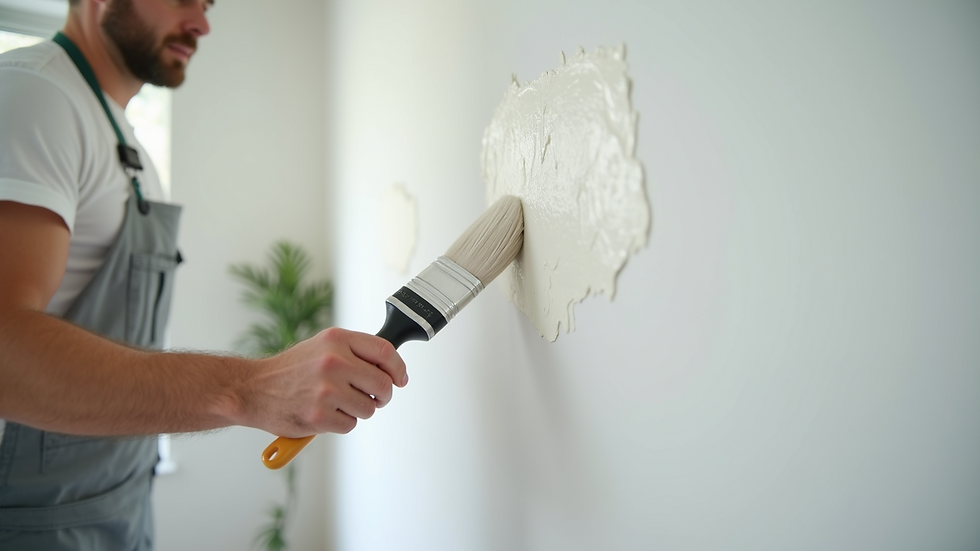
Apply thin layers. Spread joint compound in thin layers. Let each layer dry before adding the next. This prevents cracking and uneven surfaces.
Sand smoothly. After the compound dries, sand the area lightly. Use fine-grit sandpaper for a smooth finish.
Prime and paint. Always prime the repaired area before painting. This seals the patch and ensures paint matches the rest of the wall.
These drywall repair tips help you get professional-looking results without hiring a pro. If you want to avoid common mistakes, take your time and follow each step carefully.

Tools and Materials You Need for Drywall Repair
Having the right tools makes drywall repair easier and faster. Here’s a list of essential tools and materials:
Putty knife (4 to 6 inches)
Sanding block or sponge
Joint compound or spackle
Drywall patch or mesh tape
Primer and paint
Utility knife
Drywall saw (for larger holes)
Dust mask and safety glasses
Using quality materials improves the durability of your repair. For example, mesh tape is better than paper tape for reinforcing cracks. Joint compound comes in pre-mixed or powder form. Pre-mixed is easier for beginners.
Keep your tools clean and ready. Wash putty knives after use and store sandpaper in a dry place. This keeps your repair work smooth and efficient.
How much does it cost to have someone repair drywall?
Hiring a professional drywall repair service varies in cost depending on the damage size and location. On average:
Small hole repairs cost between $50 and $150.
Medium repairs (up to 6 square feet) range from $150 to $300.
Large repairs or water damage can cost $300 or more.
Labor and materials are included in these estimates. Prices may vary in Philadelphia and nearby areas. If you want a quick fix, DIY is cheaper but takes time. For bigger jobs, professionals save you effort and ensure quality.
If you want to find reliable help, consider drywall repair philadelphia services. They offer expert repairs with a smooth process and lasting results.

Common Drywall Problems and How to Fix Them
Drywall issues come in many forms. Here are common problems and how to handle them:
Nail pops: Nails push through drywall, causing bumps. Remove the nail, fill the hole with joint compound, and repaint.
Cracks: Hairline cracks appear from settling or temperature changes. Use mesh tape and joint compound to cover cracks, then sand and paint.
Water damage: Stains or soft spots mean water damage. Cut out the damaged drywall, replace it, and fix the source of moisture before patching.
Holes: Small holes fill with spackle. For holes larger than 1 inch, use a drywall patch or cut a new piece to fit.
Address problems early to avoid bigger repairs. Regularly inspect walls for signs of damage, especially after storms or renovations.
Tips for Painting After Drywall Repair
Painting is the final step. Proper painting hides repairs and blends the patch with the rest of the wall. Follow these tips:
Use a primer designed for drywall patches.
Apply primer evenly and let it dry completely.
Choose paint that matches your wall color and finish.
Use a roller for large areas and a brush for edges.
Apply two coats of paint for full coverage.
Good painting makes your repair invisible. It also protects the drywall from future damage.
Why Choose Professional Drywall Repair Services?
Sometimes, DIY is not enough. Professional drywall repair services offer:
Faster, cleaner repairs
Expertise with all types of drywall damage
Access to quality materials and tools
Warranty on work done
If you want peace of mind and a flawless finish, hiring experts is worth it. They handle everything from assessment to painting. For those in Philadelphia, companies like Straight Line Painting And Services LLC provide trusted drywall repair and renovation services.
Use these drywall repair tips to decide when to DIY and when to call a pro. Your walls will look great and last longer.
Drywall repair is manageable with the right approach. Follow these tips to fix damage quickly and effectively. Whether you tackle the job yourself or hire professionals, maintaining your walls protects your property and keeps it looking fresh. For expert help, check out drywall repair philadelphia services near you.


Comments